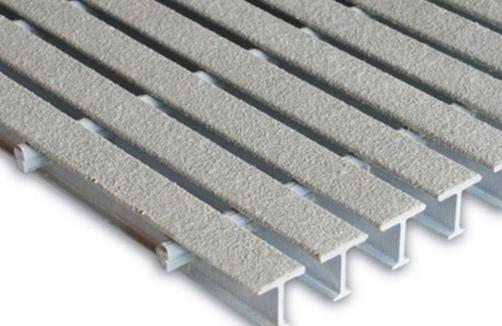
FRP Gitterrost Schneelast-Berechnungsbeispiel: Eine detaillierte Anleitung und praktische Schritte
FRP Grating Snow Load Calculation: A Detailed Guide and Practical Steps When designing structures that will be exposed to snow loads, such as bridges, walkways, or industrial platforms, it’s crucial to ensure the materials used can withstand the weight and pressure of accumulated snow. Fiber Reinforced Polymer (FRP) grating is a popular choice due to its lightweight, corrosion-resistant, and high-strength properties. However, calculating the snow load on FRP grating requires a detailed understanding of engineering principles and practical considerations. In this guide, we’ll explore the key aspects of FRP grating snow load calculation, common questions, and practical steps to ensure structural integrity. Understanding Snow Load on FRP Grating Snow load refers to the weight of snow that a surface must support during a snow event. The calculation of snow load is essential to prevent structural failure, which can lead to costly repairs and safety hazards. FRP grating, while strong, has specific load-bearing capacities that must be considered when designing a structure for snowy environments. Key Factors Affecting Snow Load Several factors influence the snow load on FRP grating: Snowfall Amount: The total amount of snowfall in a given area. Snow Density: The weight per cubic foot of snow, which varies