
Sino Composite Structures Co.,Ltd.

+86-510-86890852

WhatsApp: 8618921275456

Sino Composite Structures Co.,Ltd.

+86-510-86890852

WhatsApp: 8618921275456

Nachrichten

Startseite " Nachrichten " Seite 22

FRP-Gitterroste für Öl- und Gasplattformen: Die ultimative Lösung für sichere und langlebige Plattformböden

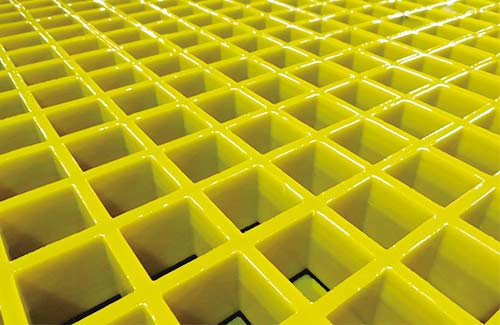
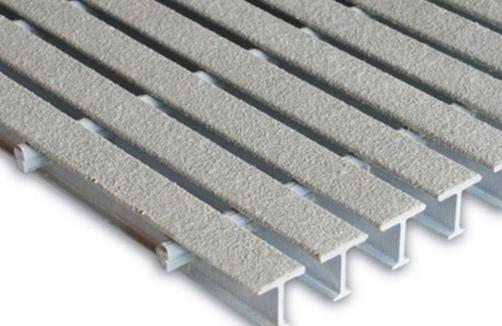
FRP Grating for Oil and Gas Platforms: The Ultimate Solution for Safe and Durable Platform Flooring Offshore oil and gas platforms operate in one of the most demanding environments on the planet. Harsh conditions, including corrosive saltwater, extreme temperatures, and heavy machinery, make the choice of flooring material critical for safety, durability, and operational efficiency. Traditional materials like steel and concrete often face significant challenges in such environments, leading to frequent maintenance, high replacement costs, and potential hazards. This is where Fiber-Reinforced Polymer (FRP) grating emerges as the ultimate solution for platform flooring. Why Choose FRP Grating for Oil and Gas Platforms? Corrosion Resistance One of the biggest challenges in offshore environments is corrosion. Saltwater and chemical exposure can quickly deteriorate metal surfaces, leading to rust, cracks, and structural failure. FRP grating, made from a composite of fiberglass and polymer resins, offers exceptional resistance to corrosion. Unlike steel, FRP does not rust or corrode, ensuring long-term durability and reducing the need for frequent repairs. Lightweight Yet Strong Oil and gas platforms often require flooring that can support heavy equipment and personnel without adding excessive weight to the structure. FRP grating is significantly lighter than steel but maintains high strength and
Mehr lesen "

FRP-Gitterroste für Laborböden: Die ideale Bodenbelagslösung für moderne Labore

FRP Grating for Laboratory Floors: The Ideal Flooring Solution for Modern Labs Laboratories are the heart of scientific innovation, where precision, safety, and durability are paramount. However, the flooring in these environments faces unique challenges—chemical spills, heavy foot traffic, and frequent cleaning requirements. Traditional flooring materials often fall short, leading to maintenance issues, slip hazards, and even contamination risks. This is where Fiber-Reinforced Polymer (FRP) grating emerges as the ideal solution. Why Do Modern Labs Need Specialized Flooring? Laboratory floors must withstand extreme conditions, from corrosive chemicals to heavy equipment. Traditional materials like concrete or tile can crack, stain, or become porous over time, compromising safety and hygiene. Additionally, slip resistance is critical to prevent accidents, especially when working with hazardous substances. So, what makes FRP grating stand out? Let’s explore its key advantages. The Benefits of FRP Grating for Laboratory Floors 1. Chemical Resistance One of the most significant challenges in lab environments is exposure to chemicals. FRP grating is highly resistant to acids, alkalis, and solvents, ensuring that floors remain intact even when exposed to harsh substances. Unlike concrete, which can deteriorate over time, FRP maintains its integrity, reducing maintenance costs. 2. Lightweight Yet Durable FRP grating is

Mehr lesen "

FRP-Gitterroste für den kryogenen Bereich von LNG-Anlagen: Die ultimative Lösung für extrem kalte Umgebungen

FRP Grating for LNG Plant Cryogenic Area: The Ultimate Solution for Extreme Cold Environments Liquefied Natural Gas (LNG) plants operate in some of the most extreme environments on Earth, where temperatures can plummet well below freezing. These cryogenic areas demand materials that can withstand extreme cold, heavy loads, and corrosive conditions without compromising safety or efficiency. One such material that has emerged as the ultimate solution is Fiber-Reinforced Polymer (FRP) grating. But what makes FRP grating the ideal choice for LNG plant cryogenic areas? What Are the Challenges of Cryogenic Environments in LNG Plants? Cryogenic environments present unique challenges for infrastructure. Traditional materials like steel and concrete can become brittle in extreme cold, leading to cracks, leaks, and structural failures. Additionally, the low temperatures can cause thermal contraction, resulting in uneven surfaces and potential hazards. Corrosion is another significant issue, as LNG and its byproducts can be highly corrosive. Moreover, safety is paramount in LNG plants. Any material used must not only withstand the harsh conditions but also prevent slip hazards and ensure electrical insulation in wet or icy environments. These challenges make selecting the right material a critical decision for plant operators. How Does FRP Grating Address These Challenges?

Mehr lesen "

1,5 Zoll pultrudierte FRP-Gitterroste Preis pro Quadratmeter: Ihr ultimativer Leitfaden für kosteneffiziente Bodenbelagslösungen

1.5 Inch Pultruded FRP Grating Price per Square Foot: Your Ultimate Guide to Cost-effective Flooring Solutions Are you looking for a durable, lightweight, and corrosion-resistant flooring solution for your industrial, commercial, or infrastructure projects? Pultruded Fiber Reinforced Polymer (FRP) grating is a popular choice, but one of the key considerations is the 1.5-inch pultruded FRP grating price per square foot. Understanding this cost factor can help you budget effectively and make informed decisions. In this guide, we’ll explore the pricing factors, benefits, and applications of FRP grating, ensuring you find the best cost-effective flooring solution for your needs. What is 1.5-inch Pultruded FRP Grating? Pultruded FRP grating is a composite material made from fiberglass reinforced with polymer resins. It’s engineered to provide high strength, low weight, and exceptional resistance to corrosion, chemicals, and extreme weather conditions. The 1.5-inch pultruded FRP grating refers to the thickness of the grating, which impacts its load-bearing capacity and durability. Key Features of 1.5-inch FRP Grating: High Strength-to-Weight Ratio: Lighter than steel but stronger than aluminum. Corrosion Resistance: Ideal for harsh environments like chemical plants, marine applications, and wastewater treatment facilities. Low Maintenance: Requires minimal upkeep compared to traditional materials. Fire Retardant: Meets stringent safety

Mehr lesen "

Nachrichten

Heißes Produkt

滚动至顶部