
Sino Composite Structures Co.,Ltd.

+86-510-86890852

WhatsApp: 8618921275456

Sino Composite Structures Co.,Ltd.

+86-510-86890852

WhatsApp: 8618921275456

Noticias

Inicio " Noticias " Página 15

Rejillas FRP para suelos industriales: La solución definitiva en durabilidad y seguridad

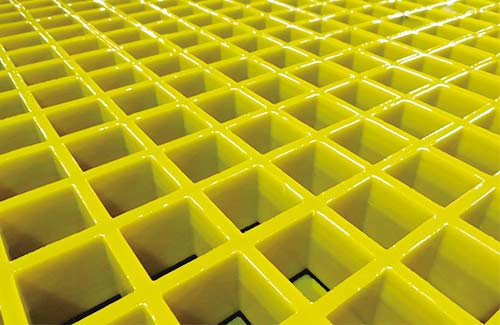
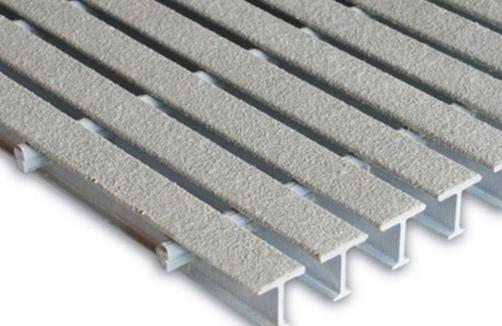
Rejilla FRP para suelos industriales: La solución definitiva para la durabilidad y la seguridad Los suelos industriales desempeñan un papel fundamental en el mantenimiento de la seguridad, la eficiencia y la longevidad en diversos sectores, como la fabricación, la minería, el petróleo y el gas, y la atención sanitaria. Los materiales tradicionales como el hormigón, el acero y la madera se enfrentan a menudo a problemas como la corrosión, el desgaste y los riesgos de deslizamiento. Para hacer frente a estos problemas, las rejillas de polímero reforzado con fibra (FRP) han surgido como una alternativa superior. Pero, ¿qué hace exactamente que las rejillas de FRP sean la solución definitiva en cuanto a durabilidad y seguridad? Analicemos las principales ventajas, las posibles dudas y por qué está ganando terreno en las aplicaciones industriales. ¿Qué es la rejilla FRP y cómo funciona? La rejilla FRP es un material compuesto fabricado a partir de una combinación de fibra de vidrio y resinas poliméricas, reforzado con fibras mecánicas. Esta composición única ofrece una fuerza excepcional, resistencia a la corrosión y propiedades de peso ligero, por lo que es ideal para suelos industriales. A diferencia de los materiales tradicionales, las rejillas de FRP no se oxidan, corroen ni degradan con el tiempo, lo que garantiza un rendimiento a largo plazo incluso en entornos difíciles. Pero, ¿cómo se compara con otras opciones de suelos? El hormigón tradicional puede agrietarse y requerir reparaciones frecuentes, mientras que la rejilla de acero puede oxidarse y requerir revestimientos. La tarima de madera, por su parte, es propensa a la putrefacción y a los daños por insectos. Sin embargo, las rejillas de FRP
Leer Más "

Rejilla FRP para almacenes de baterías: La solución de suelo ideal para un almacenamiento seguro y eficiente

FRP Grating for Battery Storage Rooms: The Ideal Flooring Solution for Safe and Efficient Storage Battery storage rooms are critical components in modern energy infrastructure, housing sensitive equipment that requires a combination of safety, durability, and efficiency. Traditional flooring materials often fall short in meeting these demands, leading to potential hazards and maintenance challenges. Fiber Reinforced Polymer (FRP) grating has emerged as a superior alternative, offering unparalleled benefits for battery storage environments. But what makes FRP grating the ideal choice? What are the key considerations for implementing this solution? And how can it enhance both safety and efficiency? The Challenges of Traditional Flooring in Battery Storage Rooms Battery storage rooms are exposed to various risks, including chemical spills, electrical hazards, and heavy loads. Traditional flooring materials like concrete, steel, or wood may crack, rust, or degrade over time, creating safety hazards and requiring frequent repairs. Additionally, these materials can harbor static electricity, increasing the risk of electrical discharge in sensitive battery environments. Concrete floors, while durable, can absorb moisture and chemicals, leading to corrosion and structural damage. Steel gratings, on the other hand, are prone to rust and can be heavy, making installation and maintenance cumbersome. Wood floors are susceptible

Leer Más "

Rejilla FRP para plataformas marinas: La solución ideal para plataformas robustas y seguras

FRP Grating for Offshore Platforms: The Ideal Solution for Robust and Safe Platforms Offshore platforms are critical infrastructure for the global energy sector, facing extreme environmental conditions, including harsh weather, corrosive saltwater, and constant mechanical stress. Traditional materials like steel and concrete have long been used, but they come with limitations such as high maintenance costs, susceptibility to corrosion, and heavy weight. As the demand for sustainable and efficient solutions grows, Fiber-Reinforced Polymer (FRP) grating has emerged as a superior alternative. But what makes FRP grating the ideal choice for offshore platforms? Let’s explore the key benefits, potential challenges, and why it’s becoming the go-to solution. What Are the Challenges of Traditional Materials for Offshore Platforms? Offshore platforms operate in one of the most demanding environments on Earth. Traditional materials like steel and concrete face several drawbacks: Corrosion: Saltwater and moisture accelerate corrosion, requiring frequent coatings and repairs, which are both costly and time-consuming. Weight: Heavy materials like concrete add unnecessary weight, increasing the load on the platform’s foundation and limiting design flexibility. Maintenance: Regular inspections and maintenance are essential to prevent structural failures, but these processes can disrupt operations. Durability: While strong, traditional materials can still degrade over time,

Leer Más "

Rejilla FRP conductora antiestática para electrónica: Mejora de la seguridad y el rendimiento en la fabricación de componentes electrónicos

Anti-static Conductive FRP Grating for Electronics: Enhancing Safety and Performance in Electronic Manufacturing Electronic manufacturing requires precision, efficiency, and above all, safety. One critical challenge in this industry is the risk of electrostatic discharge (ESD), which can damage sensitive components, leading to costly downtime and reduced product reliability. To address this issue, anti-static conductive FRP grating has emerged as a groundbreaking solution. But what exactly is this technology, and how does it improve safety and performance in electronic manufacturing? Let’s explore the key questions and discover why this innovation is a game-changer. What Is Anti-static Conductive FRP Grating? FRP (Fiber-Reinforced Polymer) grating is a composite material known for its durability, corrosion resistance, and lightweight design. When combined with anti-static and conductive properties, FRP grating becomes an ideal flooring solution for electronics manufacturing facilities. The conductive properties help dissipate static electricity, preventing unintended discharges that could damage sensitive electronic components. Additionally, the grating’s anti-fatigue design ensures comfort for workers, reducing fatigue during long shifts. Why Is ESD a Major Concern in Electronics Manufacturing? Electrostatic discharge can occur when two materials with different electrical potentials come into contact. In electronics manufacturing, even a small spark can lead to: – Component Damage: Sensitive

Leer Más "

Noticias

Producto estrella

滚动至顶部