
Sino Composite Structures Co.,Ltd.

+86-510-86890852

WhatsApp: 8618921275456

Sino Composite Structures Co.,Ltd.

+86-510-86890852

WhatsApp: 8618921275456

Noticias

Inicio " Noticias " Página 25

Rejilla FRP para pasarela peatonal de estación de ferrocarril: Mejora de la seguridad y la durabilidad

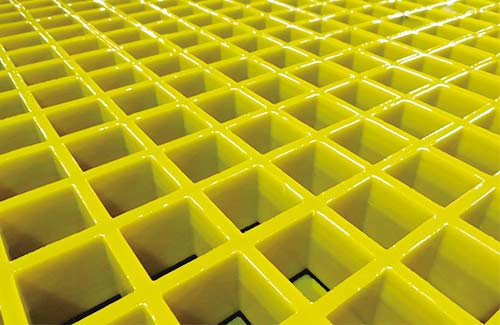
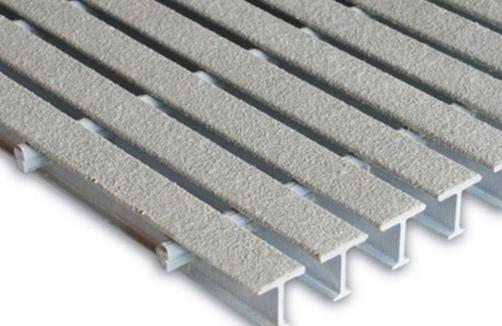
FRP Grating for Railway Station Pedestrian Bridge: Enhancing Safety and Durability Railway stations are bustling hubs of activity, where safety and durability are paramount. Pedestrian bridges within these stations must withstand heavy foot traffic, harsh environmental conditions, and the constant hum of trains. Traditional materials like steel and concrete have long been used, but Fiber-Reinforced Polymer (FRP) grating is emerging as a superior alternative. This innovative material offers enhanced safety, longevity, and cost-efficiency—making it an ideal choice for modern railway infrastructure. What Are the Challenges of Traditional Pedestrian Bridge Materials? Traditional pedestrian bridges in railway stations often face several challenges: – Corrosion: Steel grating rusts when exposed to moisture, requiring frequent maintenance. – Weight: Heavy steel structures can strain the bridge’s foundation and limit design flexibility. – Installation Time: Concrete bridges are time-consuming to construct, delaying project timelines. – Safety Risks: Uneven or damaged surfaces pose trip hazards, increasing the risk of accidents. How Does FRP Grating Address These Issues? FRP grating is a composite material made of fibers (typically fiberglass) embedded in a polymer matrix. This combination creates a lightweight, corrosion-resistant, and strong structure—perfect for pedestrian bridges. 1. Enhanced Durability Unlike steel, FRP does not corrode, ensuring long-term durability
Leer Más "

Comparación entre el peso de las rejillas de fibra de vidrio y las de acero: Un análisis exhaustivo

Fiberglass Grating vs Steel Grating: A Comprehensive Weight Comparison When it comes to selecting the right grating for industrial applications, weight is a crucial factor. Both fiberglass and steel gratings are popular choices, but understanding their weight differences can significantly impact project design, transportation, and installation. This comprehensive analysis explores the weight comparison between fiberglass and steel gratings, addressing common questions and providing valuable insights. What is Fiberglass Grating? Fiberglass grating is a non-conductive, corrosion-resistant material made from fiberglass reinforced plastic. It is commonly used in environments where electrical insulation and chemical resistance are essential. Fiberglass grating is known for its lightweight nature, making it easier to handle and install compared to steel grating. What is Steel Grating? Steel grating, on the other hand, is a metal framework typically made from carbon steel or stainless steel. It is renowned for its strength and durability, making it ideal for heavy-duty applications. Steel grating is more dense and heavier than fiberglass grating, which can influence its use in certain environments. Key Questions to Consider 1. How Does Weight Affect Installation? Weight is a critical consideration in installation. Fiberglass grating is significantly lighter than steel grating, which means it can be easily transported

Leer Más "

Ensayo de corrosión de rejilla FRP frente a rejilla de aluminio: Una comparación exhaustiva

FRP Grating vs Aluminum Grating Corrosion Test: A Comprehensive Comparison When it comes to selecting the right grating material for industrial or commercial applications, engineers and designers often face a critical decision: FRP (Fiberglass Reinforced Plastic) grating or aluminum grating? Both materials offer unique advantages, but their performance under corrosion can significantly impact durability and maintenance costs. This article explores the key differences between FRP and aluminum grating through a comprehensive comparison of their corrosion resistance, strengths, and applications. Why Corrosion Resistance Matters Corrosion is one of the primary concerns in grating applications, especially in environments exposed to chemicals, saltwater, or harsh weather conditions. The choice between FRP and aluminum grating can determine the longevity of the structure, the frequency of maintenance, and overall cost-effectiveness. What Are the Key Questions to Consider? How do FRP and aluminum grating perform under corrosion tests? Which material offers better long-term durability in corrosive environments? Are there specific industries where one material outperforms the other? What are the cost implications of using FRP vs. aluminum grating? FRP Grating: Corrosion Resistance and Performance FRP grating is made from a composite of fiberglass and resin, designed to resist corrosion inherently. Unlike metals, FRP does not rust

Leer Más "

Rejilla FRP para zona de manipulación de equipajes en aeropuertos: La elección ideal por su durabilidad y eficacia

FRP Grating for Airport Baggage Handling Area: The Ideal Choice for Durability and Efficiency Airports are the backbone of modern travel, handling millions of bags daily. Behind the scenes, the baggage handling system must operate seamlessly, ensuring efficiency and reliability. One critical component in this system is the flooring—specifically, Fiber Reinforced Polymer (FRP) grating. Why is FRP grating the ideal choice for airport baggage handling areas? Let’s explore the key questions that make this material stand out. What Makes FRP Grating Suitable for High-Traffic Airport Environments? Airport baggage handling areas experience relentless foot and equipment traffic, exposing flooring to heavy loads, constant movement, and harsh conditions. Traditional materials like steel or concrete can deteriorate over time, leading to costly repairs and downtime. FRP grating, however, offers superior strength and corrosion resistance, making it perfect for such demanding environments. FRP grating is lightweight yet incredibly durable, capable of supporting substantial loads without bending or cracking. Unlike metal gratings, it doesn’t rust or corrode, ensuring long-term reliability. Additionally, its non-slip surface enhances safety, reducing the risk of accidents in busy handling areas. How Does FRP Grating Contribute to Operational Efficiency? Efficiency is paramount in airport operations, where delays can disrupt entire travel

Leer Más "

Noticias

Producto estrella

滚动至顶部