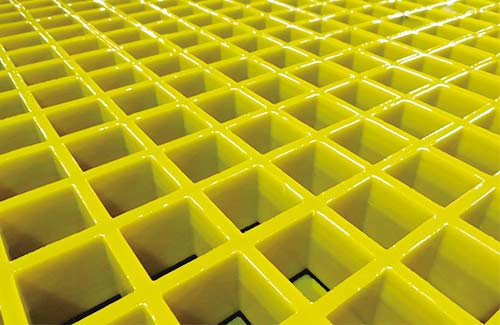
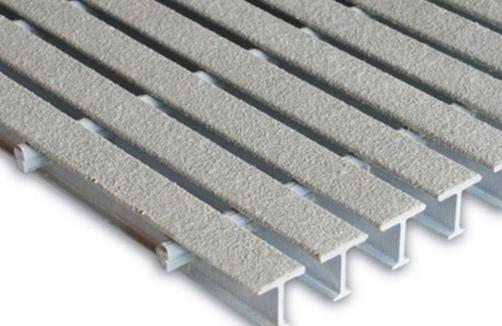
Phenolic Grating for high-temperature applications: The Ultimate Guide for Industrial Strength and Heat Resistance
Phenolic Grating for High-Temperature Applications: The Ultimate Guide for Industrial Strength and Heat Resistance Phenolic grating is a critical component in industries that require materials capable of withstanding extreme temperatures. From chemical processing to power generation, high-temperature applications demand materials that offer both strength and heat resistance. But what exactly makes phenolic grating the ultimate choice for such demanding environments? This guide will explore the properties, benefits, and applications of phenolic grating, addressing common questions along the way. What is Phenolic Grating? Phenolic grating is a type of engineered composite material made from layers of phenolic resin and glass cloth. This layered structure creates a material that is both strong and heat-resistant, capable of enduring temperatures up to 700°F (370°C). Unlike traditional metal grating, phenolic grating does not rust or corrode, making it an ideal choice for hazardous and corrosive environments. Why Choose Phenolic Grating for High-Temperature Applications? One of the primary reasons industries opt for phenolic grating is its exceptional heat resistance. Traditional metal grating can weaken, warp, or melt in high-temperature environments, leading to safety hazards and costly downtime. Phenolic grating, on the other hand, maintains its structural integrity even at extreme temperatures, ensuring long-term reliability. Another significant