FRP 격자 비용 계산기 온라인 도구: 오늘 프로젝트 비용을 정확하게 추정하세요!
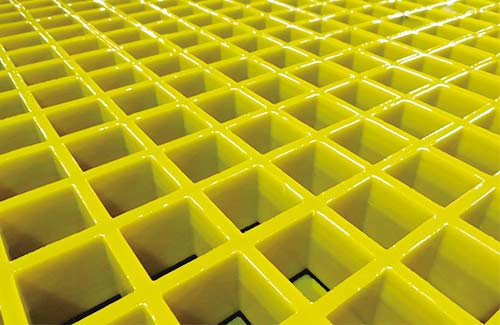
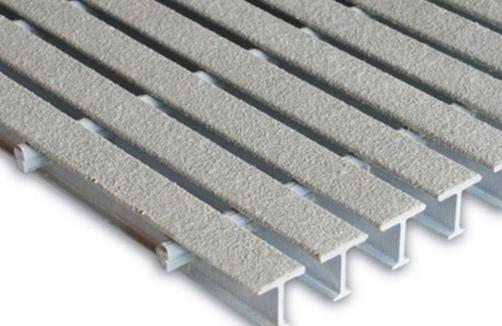
FRP Grating Cost Calculator: Accurately Estimate Your Project Expenses Today! When it comes to construction and industrial projects, choosing the right materials can make all the difference. Fiber Reinforced Polymer (FRP) grating has become a popular choice due to its durability, corrosion resistance, and lightweight properties. However, one of the key challenges in project planning is accurately estimating the costs involved. This is where the FRP Grating Cost Calculator comes into play. But how does it work, and what questions should you ask to ensure you get the most accurate estimates? Let’s dive in. What is FRP Grating? FRP grating is a composite material made from a combination of fiberglass and polymer resin. It offers several advantages over traditional materials like steel, including: Corrosion Resistance: Ideal for environments with chemical exposure. Lightweight: Easier to handle and install. High Strength: Can withstand heavy loads. Non-Slip Surface: Enhances safety in industrial settings. Given these benefits, FRP grating is widely used in bridges, walkways, platforms, and industrial flooring. But with these advantages come cost considerations. Why Use an FRP Grating Cost Calculator? Estimating the cost of FRP grating for a project can be complex. Factors such as material thickness, size, quantity, and additional