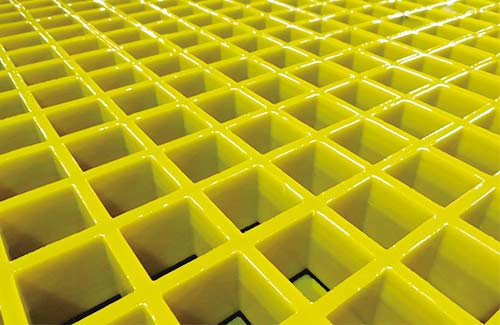
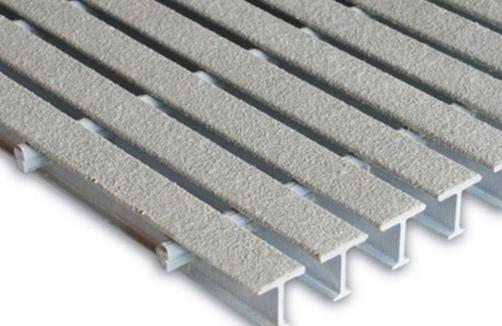
보행자 교량 및 보도용 FRP 그레이팅: 공공 보도의 안전성과 내구성 강화
FRP Grating for Pedestrian Bridges and Walkways: Enhancing Safety and Durability in Public Walkways Pedestrian bridges and walkways are essential components of urban infrastructure, providing safe and accessible routes for pedestrians. However, traditional materials like steel and concrete often face challenges such as corrosion, heavy weight, and maintenance costs. Fiber Reinforced Polymer (FRP) grating has emerged as a superior alternative, offering enhanced durability and safety. But what exactly makes FRP grating the ideal choice for pedestrian infrastructure? What Are the Challenges of Traditional Materials? Traditional pedestrian bridges and walkways are commonly constructed using steel or concrete. While these materials are robust, they come with significant drawbacks. Steel is prone to rust and corrosion, especially in moist environments, requiring frequent maintenance to prevent structural failure. Concrete, on the other hand, is heavy, making it difficult to transport and install, and it can crack over time due to environmental stressors. Additionally, these materials can pose safety risks. For instance, uneven concrete surfaces or rusted steel grating can lead to trip hazards. Moreover, the high maintenance costs associated with these materials can strain public budgets. These challenges highlight the need for a more durable and sustainable solution. How Does FRP Grating Address These