기존 재료에 비해 FRP 격자의 경제적 이점
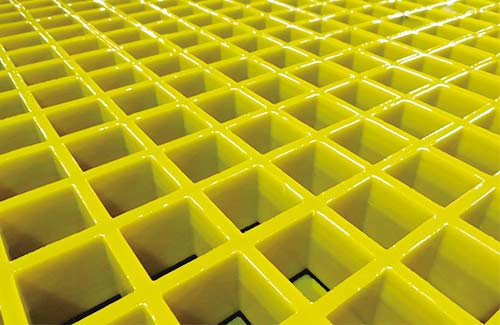
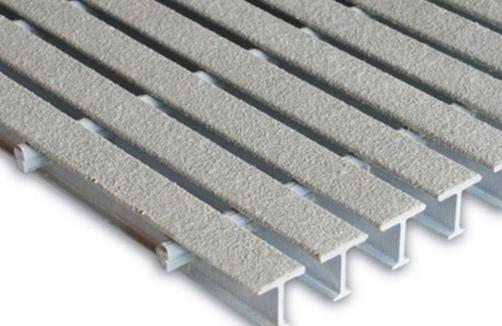
Fiber Reinforced Polymer (FRP) grating has become a popular alternative to traditional materials such as steel, aluminum, and wood in a variety of industrial and commercial applications. The economic advantages of FRP grating are multifaceted, encompassing not only the initial cost but also long-term savings through reduced maintenance, enhanced safety, and improved operational efficiency. This paper explores the various ways in which FRP grating provides a more economically viable solution compared to conventional materials. Initial Cost ConsiderationsWhen evaluating the economic benefits of FRP grating, it is important to consider both the upfront and lifecycle costs. While the initial purchase price of FRP grating may be higher than that of some traditional materials, the overall cost-effectiveness becomes apparent when considering the total cost of ownership over the lifespan of the product. – Material Costs: Although the raw material costs for FRP can be higher, the lightweight nature of FRP means that less material is required to achieve the same strength and load-bearing capacity as heavier alternatives like steel.– Installation Costs: FRP grating is significantly lighter than metal grating, making it easier to handle and install. This reduces labor costs and installation time, which can be a significant factor in large-scale projects.–