Sino Composite Structures Co.,Ltd.

+86-510-86890852

WhatsApp: 8618921275456

Sino Composite Structures Co.,Ltd.

+86-510-86890852

WhatsApp: 8618921275456

News

Home » News » Page 23

FRP grating for cooling tower walkways: Enhancing Safety and Durability in Industrial Environments

FRP Grating for Cooling Tower Walkways: Enhancing Safety and Durability in Industrial Environments Cooling towers are essential components in industrial processes, dissipating heat to maintain optimal operational temperatures. However, the walkways surrounding these towers are often exposed to harsh conditions, including moisture, chemicals, and heavy foot traffic. Traditional materials like steel or concrete can degrade over time, leading to safety hazards and costly repairs. Fiber Reinforced Polymer (FRP) grating has emerged as a superior alternative, offering enhanced durability and safety. But what makes FRP grating the ideal choice for cooling tower walkways? What Are the Challenges of Traditional Walkway Materials? Traditional materials used in cooling tower walkways face several challenges. Steel grating, while strong, is prone to corrosion in humid environments, leading to rust and potential structural failures. Concrete walkways can crack under heavy loads and require frequent maintenance. Both materials can become slippery when wet, increasing the risk of slips and falls. Additionally, their heavy weight necessitates robust support structures, adding to the overall cost and complexity of installation. Another significant concern is the accumulation of debris and algae on walkways, which can further reduce traction and pose safety risks. Traditional materials do not provide adequate drainage, exacerbating slip

Read More »

Properties of FRP Structural Channel C6x10.5: A Comprehensive Overview

Properties of FRP Structural Channel C6x10.5: A Comprehensive Overview Introduction Fiber Reinforced Polymer (FRP) structural channels are gaining significant attention in the construction industry due to their lightweight yet durable properties. Among these, the FRP structural channel C6x10.5 stands out for its unique design and performance characteristics. This article explores the key properties of FRP structural channel C6x10.5, addressing common questions and providing a comprehensive overview for engineers, architects, and construction professionals. What Are FRP Structural Channels? Definition and Composition FRP structural channels are composite materials made from a combination of fibers (typically glass or carbon) and a polymer matrix. The FRP structural channel C6x10.5, in particular, refers to a specific dimensions channel designed for structural applications. These channels offer high strength-to-weight ratios, making them ideal for use in bridges, buildings, and other infrastructure projects. Key Questions to Consider What are the primary advantages of using FRP structural channels over traditional materials? How does the C6x10.5 dimension affect the performance of the channel? What are the environmental benefits of using FRP in construction? Properties of FRP Structural Channel C6x10.5 Strength and Durability One of the most significant properties of the FRP structural channel C6x10.5 is its exceptional strength and durability.

Read More »

FRP grating for industrial flooring: The Ultimate Solution for Durability and Safety

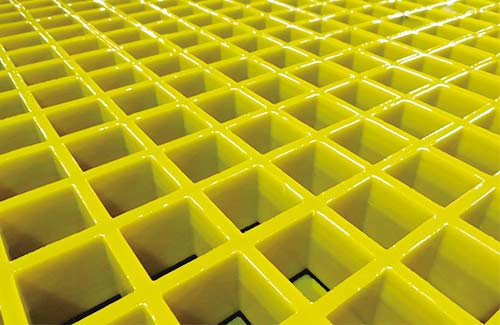
FRP Grating for Industrial Flooring: The Ultimate Solution for Durability and Safety Industrial flooring plays a critical role in maintaining safety, efficiency, and longevity in various sectors, including manufacturing, mining, oil and gas, and healthcare. Traditional materials like concrete, steel, and wood often face challenges such as corrosion, wear, and slip hazards. To address these issues, Fiber-Reinforced Polymer (FRP) grating has emerged as a superior alternative. But what exactly makes FRP grating the ultimate solution for durability and safety? Let’s explore the key benefits, potential questions, and why it’s gaining traction in industrial applications. What Is FRP Grating and How Does It Work? FRP grating is a composite material made from a combination of fiberglass and polymer resins, reinforced with mechanical fibers. This unique composition offers exceptional strength, corrosion resistance, and lightweight properties, making it ideal for industrial flooring. Unlike traditional materials, FRP grating doesn’t rust, corrode, or degrade over time, ensuring long-term performance even in harsh environments. But how does it compare to other flooring options? Traditional concrete can crack and require frequent repairs, while steel grating may rust and require coatings. Wood decking, on the other hand, is prone to rot and insect damage. FRP grating, however, remains

Read More »

FRP grating for battery storage rooms: The Ideal Flooring Solution for Safe and Efficient Storage

FRP Grating for Battery Storage Rooms: The Ideal Flooring Solution for Safe and Efficient Storage Battery storage rooms are critical components in modern energy infrastructure, housing sensitive equipment that requires a combination of safety, durability, and efficiency. Traditional flooring materials often fall short in meeting these demands, leading to potential hazards and maintenance challenges. Fiber Reinforced Polymer (FRP) grating has emerged as a superior alternative, offering unparalleled benefits for battery storage environments. But what makes FRP grating the ideal choice? What are the key considerations for implementing this solution? And how can it enhance both safety and efficiency? The Challenges of Traditional Flooring in Battery Storage Rooms Battery storage rooms are exposed to various risks, including chemical spills, electrical hazards, and heavy loads. Traditional flooring materials like concrete, steel, or wood may crack, rust, or degrade over time, creating safety hazards and requiring frequent repairs. Additionally, these materials can harbor static electricity, increasing the risk of electrical discharge in sensitive battery environments. Concrete floors, while durable, can absorb moisture and chemicals, leading to corrosion and structural damage. Steel gratings, on the other hand, are prone to rust and can be heavy, making installation and maintenance cumbersome. Wood floors are susceptible

Read More »

News

Hot Product

滚动至顶部