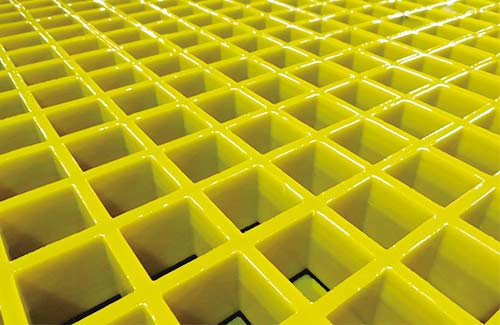
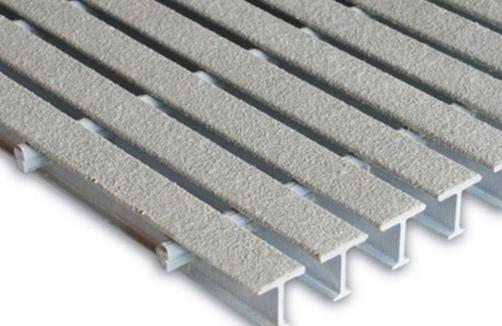
FRP grating for textile dyeing facility: Enhancing Safety and Durability in Your Facility
FRP Grating for Textile Dyeing Facility: Enhancing Safety and Durability in Your Facility In the textile dyeing industry, maintaining a safe and durable working environment is crucial for both employees and equipment. Traditional materials like steel or concrete can deteriorate over time, leading to safety hazards and costly repairs. Fiber Reinforced Polymer (FRP) grating has emerged as a superior alternative, offering enhanced durability and safety. But how does FRP grating address the unique challenges of a textile dyeing facility? What are the potential benefits, and how can it improve operational efficiency? Common Challenges in Textile Dyeing Facilities Textile dyeing facilities face several challenges that impact both safety and maintenance costs. For instance, chemical exposure can corrode traditional flooring, leading to cracks and slip hazards. Additionally, heavy machinery and constant foot traffic can wear down surfaces quickly. These issues not only pose risks to employees but also disrupt production schedules. Another concern is the presence of liquids and spills. Traditional grating can become slippery when wet, increasing the risk of accidents. Moreover, heavy loads and chemical reactions can weaken the structure over time, requiring frequent repairs. These problems highlight the need for a more resilient and long-lasting solution. How FRP Grating