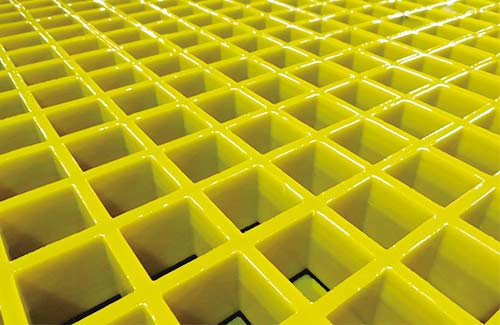
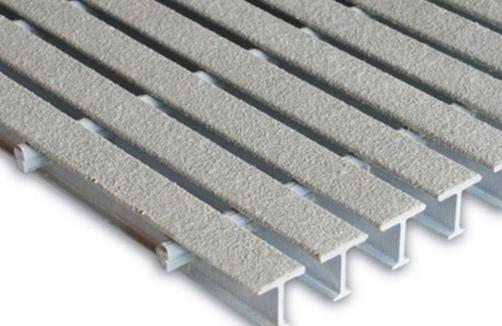
Food grade FDA compliant FRP grating: The Ultimate Solution for Safe and Durable Industrial Applications
Food Grade FDA Compliant FRP Grating: The Ultimate Solution for Safe and Durable Industrial Applications In the realm of industrial flooring solutions, safety, durability, and compliance with regulatory standards are paramount. Food grade FDA compliant FRP (Fiberglass Reinforced Plastic) grating has emerged as a superior choice for industries that require a combination of these attributes. But what exactly makes FRP grating the ultimate solution for safe and durable industrial applications? Let’s delve into the details and explore the key questions that businesses should consider. What is Food Grade FDA Compliant FRP Grating? Food grade FDA compliant FRP grating is a type of flooring made from fiberglass reinforced plastic that meets stringent FDA regulations. This ensures that the material is safe for use in food processing and handling environments. The grating is designed to be non-porous, non-toxic, and resistant to a wide range of chemicals, making it an ideal choice for industries where cleanliness and hygiene are critical. Why Choose FRP Grating for Industrial Applications? Industrial environments often subject flooring to heavy loads, corrosive substances, and extreme weather conditions. Traditional materials like steel can rust, while concrete can crack and become slippery. FRP grating, on the other hand, offers a combination