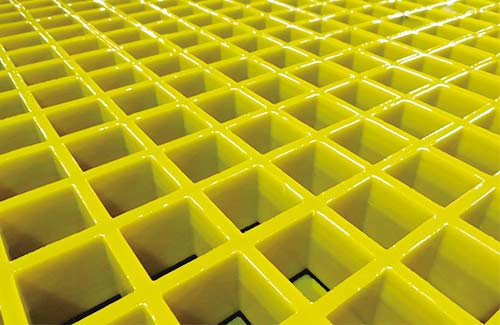
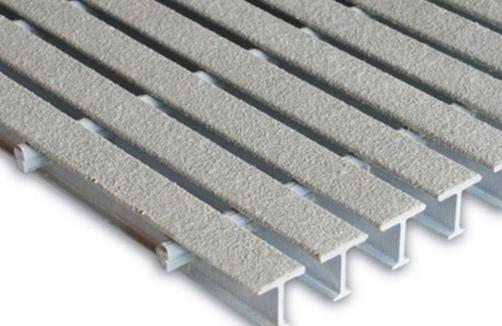
High Temperature Resistant FRP Grating: The Ultimate Solution for Extreme Environments
High Temperature Resistant FRP Grating: The Ultimate Solution for Extreme Environments Extreme environments present numerous challenges for material selection, especially in industries like petrochemical, power generation, and aerospace. Traditional materials like steel and concrete often struggle with corrosion, weight, and excessive heat. Fiber Reinforced Polymer (FRP) grating has emerged as a superior alternative, offering exceptional durability and resistance to high temperatures. But what exactly makes FRP grating the ultimate solution for such demanding conditions? What Are the Challenges of Working in Extreme Environments? Extreme environments—such as refineries, chemical plants, and industrial furnaces—expose materials to extreme temperatures, corrosive substances, and heavy loads. Steel gratings, while common, suffer from thermal expansion, rust, and excessive weight, making them impractical for high-temperature applications. Concrete gratings, on the other hand, are brittle and prone to cracking. These challenges lead to frequent maintenance, costly replacements, and safety hazards. Industries need a material that can withstand heat without degrading, resist corrosion, and support heavy loads. Is FRP grating the answer? How Does FRP Grating Outperform Traditional Materials? FRP grating is a composite material made from fiberglass reinforced with polymer resins. This combination creates a lightweight yet incredibly strong product with excellent thermal resistance. Unlike steel, FRP does