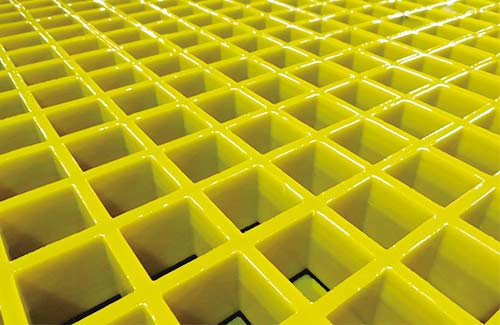
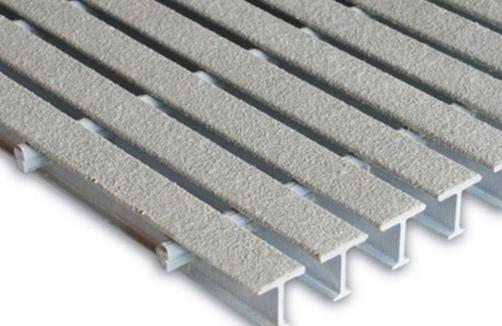
FRP Grating on Marine Vessels and Docks: Enhancing Durability and Safety in Nautical Structures
FRP Grating on Marine Vessels and Docks: Enhancing Durability and Safety in Nautical Structures Marine environments present unique challenges for infrastructure, including vessels and docks, due to exposure to saltwater, harsh weather, and heavy loads. Traditional materials like steel and concrete are prone to corrosion, cracking, and degradation over time, leading to maintenance costs and safety risks. Fiber-Reinforced Polymer (FRP) grating has emerged as a superior alternative, offering enhanced durability and safety. But what makes FRP grating the ideal choice for marine applications? How does it compare to conventional materials? And what are the key benefits for shipyards and dock operators? The Challenges of Traditional Materials Traditional materials used in marine structures, such as steel and wood, face significant drawbacks. Steel, while strong, corrodes rapidly in saltwater environments, requiring frequent painting and coatings to prevent rust. Wood, on the other hand, rots and splinters over time, posing safety hazards. These issues not only reduce the lifespan of structures but also increase maintenance costs and downtime. Concrete docks and vessels also suffer from cracking due to thermal expansion, freeze-thaw cycles, and heavy loads. The need for constant repairs and replacements can be costly and disruptive for operators. What is FRP Grating?