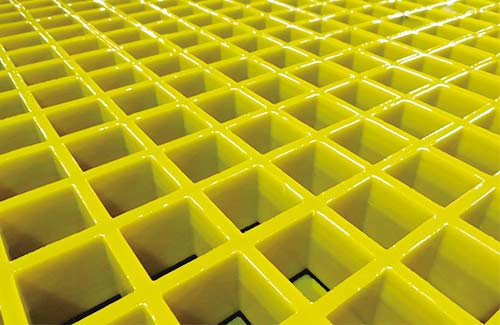
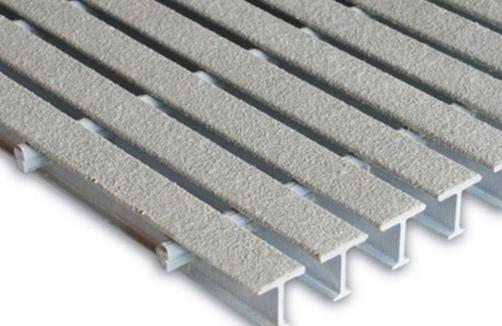
FRP Structures System with high strength: Unveiling the Power of Advanced Construction Solutions
FRP Structures System with High Strength: Unveiling the Power of Advanced Construction Solutions Introduction In the ever-evolving world of construction, the demand for durable, lightweight, and high-strength materials has never been greater. Fiber-Reinforced Polymer (FRP) structures have emerged as a revolutionary solution, offering unparalleled performance in various applications. But what exactly are FRP structures, and how do they compare to traditional materials? This article explores the benefits, challenges, and future potential of FRP structures, providing insights for architects, engineers, and construction professionals. What Are FRP Structures? FRP structures are composite materials made from a combination of fibers (such as carbon fiber or glass fiber) and a polymer matrix (like epoxy or polyester). These materials are renowned for their high strength-to-weight ratio, corrosion resistance, and ability to withstand extreme environmental conditions. Unlike traditional steel or concrete, FRP structures do not rust or degrade over time, making them an ideal choice for long-term projects. Key Questions: How do FRP structures compare to traditional materials in terms of strength? What are the main advantages of using FRP in construction? Are there any limitations to FRP structures? The Strength of FRP Structures One of the most compelling reasons to consider FRP structures is their