Sino Composite Structures Co.,Ltd.

+86-510-86890852

WhatsApp: 8618921275456

Sino Composite Structures Co.,Ltd.

+86-510-86890852

WhatsApp: 8618921275456

News

Home » News » Page 58

Exploring the Benefits of Molded FRP Grating for Industrial Applications

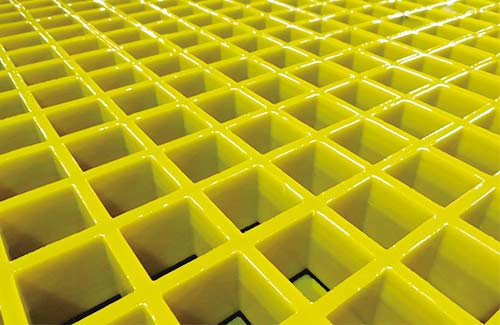
Exploring the Benefits of Molded FRP Grating for Industrial Applications In industrial settings, safety, durability, and efficiency are paramount. Traditional materials like steel and concrete have long been the go-to choices for platforms, walkways, and mezzanines. However, as industries evolve, so do the materials used to support their operations. One such innovative material gaining traction is Molded Fiber Reinforced Polymer (FRP) grating. But what exactly makes Molded FRP grating a superior choice for industrial applications? Let’s delve into the key benefits and explore why this material is becoming a favorite among engineers and facility managers. What is Molded FRP Grating? Molded FRP grating is a composite material made from a mixture of fiberglass and a polymer matrix, typically resin. The result is a strong, lightweight, and corrosion-resistant material that can withstand harsh industrial environments. Unlike traditional materials, FRP grating does not rust, corrode, or sustain electrical conductivity, making it ideal for a wide range of applications. Why Choose Molded FRP Grating? 1. Enhanced Durability and Strength One of the primary questions industries ask is: “Can FRP grating withstand heavy loads?” The answer is a resounding yes. Molded FRP grating is engineered to handle substantial weight without bending or breaking. Its

Read More »

Pultruded FRP Grating: The Ultimate Guide for Industrial Applications

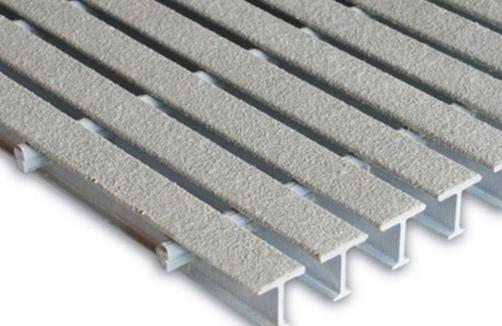
Pultruded FRP Grating: The Ultimate Guide for Industrial Applications Are you looking for a durable, lightweight, and corrosion-resistant material for your industrial applications? Pultruded FRP grating might be the perfect solution. In this comprehensive guide, we’ll explore what pultruded FRP grating is, its benefits, applications, and why it stands out in the world of industrial materials. What Is Pultruded FRP Grating? Pultruded FRP grating, short for Fiber Reinforced Polymer grating, is a composite material made from fiberglass and resin. Unlike traditional steel grating, FRP grating offers a unique combination of strength, lightness, and resistance to corrosion, making it ideal for various industrial environments. Key Questions to Consider: What makes FRP grating superior to traditional materials? How does pultrusion differ from other manufacturing processes? What are the primary applications of FRP grating? Benefits of Pultruded FRP Grating FRP grating offers numerous advantages over conventional materials like steel, aluminum, and concrete. Let’s delve into some of its most compelling benefits. Corrosion Resistance One of the standout features of FRP grating is its exceptional resistance to corrosion. Unlike steel, which rusts when exposed to moisture, FRP grating remains unaffected by saltwater, chemicals, and harsh industrial environments. This makes it an excellent choice for

Read More »

FRP Grating for Walkways and Platforms: Enhancing Safety and Durability in Industrial and Commercial Applications

FRP Grating for Walkways and Platforms: Enhancing Safety and Durability in Industrial and Commercial Applications Introduction Fiberglass Reinforced Plastic (FRP) grating has become a popular choice for industrial and commercial applications, particularly for walkways and platforms. Its unique combination of strength, lightweight properties, and corrosion resistance makes it an ideal solution for environments where traditional materials like steel or concrete may fail. But what exactly makes FRP grating a superior option? And how does it enhance safety and durability in various settings? This article explores these questions and more, providing valuable insights for businesses considering this innovative material. What Is FRP Grating and How Does It Work? FRP grating is a composite material made from fiberglass reinforced with plastic. The fibers provide tensile strength, while the plastic matrix ensures durability and resistance to chemicals. Unlike traditional materials, FRP grating does not rust, corrode, or degrade when exposed to harsh environments. This makes it particularly suitable for industrial settings where chemicals, moisture, and extreme temperatures are common. Key Benefits of FRP Grating Lightweight Yet Strong: FRP grating is significantly lighter than steel, reducing the load on supporting structures. Despite its weight, it offers high strength, making it capable of supporting heavy

Read More »

Corrosion-resistant FRP Grating: The Ultimate Solution for Durability and Strength

Corrosion-Resistant FRP Grating: The Ultimate Solution for Durability and Strength Introduction Fiberglass Reinforced Plastic (FRP) grating has emerged as a revolutionary material in various industrial applications, offering exceptional corrosion resistance, durability, and strength. Whether used in chemical plants, marine environments, or infrastructure projects, FRP grating stands out as a superior alternative to traditional materials like steel, concrete, and wood. But what makes FRP grating the ultimate choice for long-term performance? This article explores the key benefits, addresses common questions, and highlights why FRP grating is the go-to solution for demanding environments. What Is FRP Grating and How Does It Work? FRP grating is a composite material made by combining fiberglass reinforcement with a polymer matrix, typically resin. This unique composition results in a material that is lightweight yet incredibly strong, with outstanding corrosion resistance. Unlike steel, which rusts when exposed to moisture, or concrete, which cracks under heavy loads, FRP grating remains unaffected by harsh chemicals, saltwater, and extreme weather conditions. Key Question: How does FRP grating compare to traditional materials in terms of strength and durability? FRP grating outperforms steel in tensile strength while being significantly lighter, reducing installation costs and structural stress. It also surpasses concrete in load-bearing

Read More »

News

Hot Product

滚动至顶部