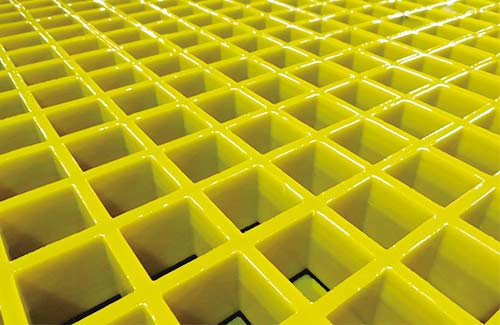
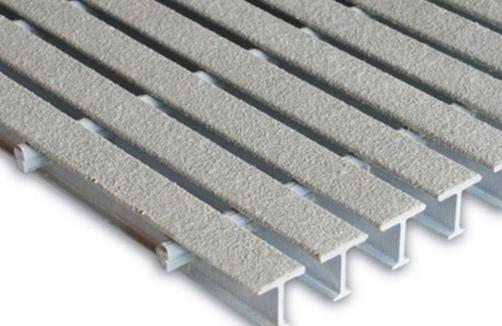
FRP grating for fish hatchery raceways: Enhancing Aquaculture Efficiency and Sustainability
FRP Grating for Fish Hatchery Raceways: Enhancing Aquaculture Efficiency and Sustainability Aquaculture has become increasingly vital in meeting global seafood demand, but traditional fish hatchery raceways often face challenges such as corrosion, maintenance costs, and inefficiency. Fiber Reinforced Polymer (FRP) grating has emerged as a promising solution, offering durability, lightweight properties, and environmental sustainability. But what exactly makes FRP grating ideal for fish hatchery raceways? How does it enhance efficiency and sustainability in aquaculture? Let’s explore these questions in detail. What Are the Challenges of Traditional Fish Hatchery Raceways? Traditional raceway systems are commonly made of concrete or metal, both of which have significant drawbacks. Concrete raceways are prone to cracking, require frequent repairs, and can harbor harmful algae growth. Metal raceways, on the other hand, suffer from corrosion in aquatic environments, leading to leaks, structural weaknesses, and high maintenance costs. Additionally, these conventional systems often lack proper drainage, making water management inefficient and energy-intensive. These challenges not only increase operational expenses but also impact the health and growth of fish, ultimately reducing the productivity of hatcheries. As the demand for sustainable aquaculture solutions grows, the need for advanced materials like FRP grating becomes evident. How Does FRP Grating Address