Sino Composite Structures Co.,Ltd.

+86-510-86890852

WhatsApp: 8618921275456

Sino Composite Structures Co.,Ltd.

+86-510-86890852

WhatsApp: 8618921275456

News

Home » News » Page 63

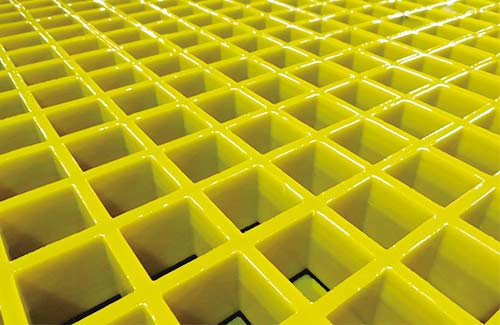
Exploring the Benefits of Molded FRP Grating for Industrial Applications

Exploring the Benefits of Molded FRP Grating for Industrial Applications Introduction Industrial environments often require materials that can withstand heavy loads, harsh conditions, and corrosion. Fiber Reinforced Polymer (FRP) grating has emerged as a superior alternative to traditional materials like steel, aluminum, and concrete. Among the various types of FRP grating, molded FRP grating stands out due to its unique manufacturing process and exceptional performance. But what exactly makes molded FRP grating ideal for industrial applications? What are its key benefits? And how does it compare to other materials? This article explores these questions in detail. What is Molded FRP Grating? Molded FRP grating is a composite material made from a mixture of fiberglass and resin, which is then poured into a mold and cured under heat and pressure. This process creates a strong, rigid, and lightweight grid structure that combines the best properties of both materials. Unlike traditional FRP grating, which is often manufactured using pultrusion or compression molding, molded FRP grating offers enhanced durability and structural integrity. Key Benefits of Molded FRP Grating 1. High Strength and Load-Bearing Capacity One of the primary concerns in industrial settings is the ability of flooring materials to support heavy equipment and

Read More »

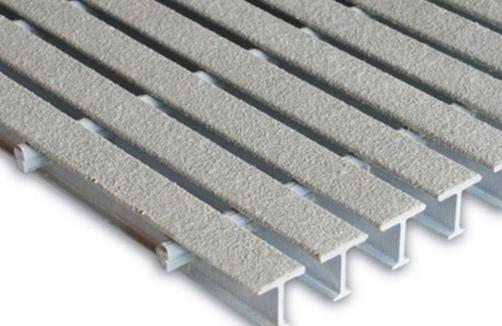
Pultruded FRP Grating: The Ultimate Guide for Industrial Applications

Pultruded FRP Grating: The Ultimate Guide for Industrial Applications Are you looking for a durable, corrosion-resistant, and cost-effective solution for your industrial flooring needs? Pultruded FRP (Fiberglass Reinforced Plastic) grating might be the answer you’ve been searching for. This comprehensive guide will explore everything you need to know about pultruded FRP grating, its benefits, applications, and why it stands out as the ultimate choice for industrial environments. What Is Pultruded FRP Grating? Pultruded FRP grating is a type of composite material made from fiberglass reinforcement and a polymer matrix, typically polyester or vinylester resin. The process involves pulling the fiberglass roving through a die head, where it is impregnated with resin and cured under heat, resulting in a strong, rigid, and lightweight material. This method ensures uniformity and consistency in the final product. Key Questions to Consider How Does Pultruded FRP Grating Compare to Traditional Materials? What Are the Main Benefits of Using FRP Grating in Industrial Applications? How Is Pultruded FRP Grating Installed and Maintained? What Industries Benefit Most from Using FRP Grating? Benefits of Pultruded FRP Grating Durability and Corrosion Resistance One of the primary advantages of pultruded FRP grating is its exceptional durability and resistance to corrosion.

Read More »

FRP Grating for Walkways and Platforms: The Ideal Solution for Safe and Durable Footbridge and Platform Applications

FRP Grating for Walkways and Platforms: The Ideal Solution for Safe and Durable Footbridge and Platform Applications Introduction Footbridges and platforms are essential infrastructure elements in various industries, from construction and manufacturing to public utilities and marine environments. Ensuring their safety, durability, and longevity is paramount. Traditional materials like steel and concrete have long been used, but they come with limitations such as corrosion, heavy weight, and high maintenance costs. Fiber-Reinforced Polymer (FRP) grating has emerged as a superior alternative, offering unparalleled performance in demanding applications. But what makes FRP grating the ideal solution? Let’s explore the key benefits, common questions, and why it’s the preferred choice for modern footbridge and platform construction. What Are the Advantages of FRP Grating Over Traditional Materials? FRP grating is a composite material made from fiberglass and a polymer matrix, often reinforced with materials like carbon or aramid fibers. Unlike steel, which rusts, or concrete, which cracks, FRP grating offers several distinct advantages: Corrosion Resistance: FRP grating does not corrode, making it perfect for environments exposed to chemicals, saltwater, or harsh weather conditions. Lightweight yet Strong: It is significantly lighter than steel but maintains high strength, reducing the load on supporting structures. Low Maintenance:

Read More »

Exploring the Benefits of Corrosion-resistant FRP Grating for Industrial Applications

Exploring the Benefits of Corrosion-resistant FRP Grating for Industrial Applications Corrosion is a significant concern in industrial environments, where materials are constantly exposed to harsh chemicals, moisture, and extreme temperatures. Traditional materials like steel and concrete often suffer from corrosion, leading to maintenance costs, safety hazards, and operational downtime. Fiber Reinforced Polymer (FRP) grating has emerged as a superior alternative, offering exceptional corrosion resistance and a host of other benefits. But what exactly makes FRP grating the ideal choice for industrial applications? Let’s delve into the advantages and address common questions. What is FRP Grating and How Does It Work? FRP grating is a composite material made from fiberglass reinforced with polymer resin. This combination creates a strong, lightweight, and highly durable material that resists corrosion, electrical insulation, and extreme weather conditions. Unlike traditional materials, FRP grating does not rust or degrade over time, making it a cost-effective solution for industrial environments. Why Choose FRP Grating Over Traditional Materials? Traditional materials like steel and concrete are prone to corrosion, requiring frequent maintenance and replacement. FRP grating, on the other hand, offers long-term durability with minimal maintenance. This not only reduces operational costs but also enhances safety by eliminating the risk

Read More »

News

Hot Product

滚动至顶部