FRP Grating compared to steel grating: A Comprehensive Analysis
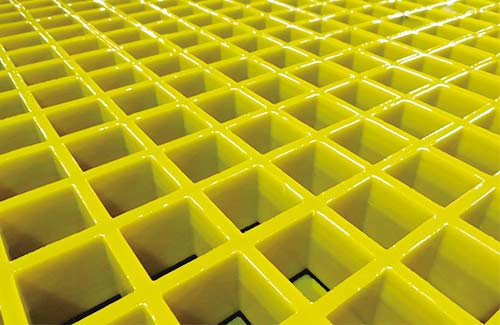
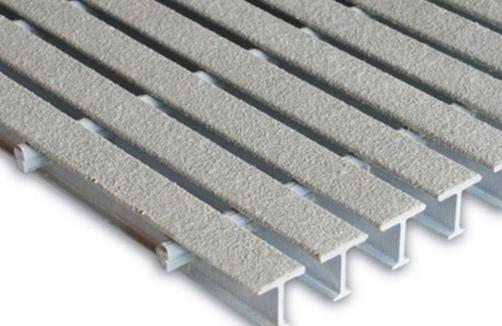
FRP Grating Compared to Steel Grating: A Comprehensive Analysis When it comes to industrial flooring solutions, FRP (Fiberglass Reinforced Plastic) grating and steel grating are two of the most popular options. Both offer durability, strength, and versatility, but they come with distinct advantages and disadvantages. Choosing the right material depends on your specific needs, budget, and environmental conditions. In this comprehensive analysis, we’ll explore the key differences between FRP and steel grating, addressing common questions and helping you make an informed decision. What Are the Primary Differences Between FRP and Steel Grating? FRP grating and steel grating serve similar purposes—providing a strong, slip-resistant surface for industrial applications—but they differ significantly in composition, weight, corrosion resistance, and maintenance requirements. Composition and Strength FRP Grating: Made from a mixture of fiberglass and resin, FRP grating is lightweight yet incredibly strong. It can withstand heavy loads and is non-conductive, making it ideal for electrical applications. Steel Grating: Constructed from steel bars (usually welded or bolted), steel grating is robust and durable but much heavier than FRP. It’s highly conductive, which can be a drawback in environments where electrical safety is a concern. Corrosion Resistance One of the standout benefits of FRP grating is