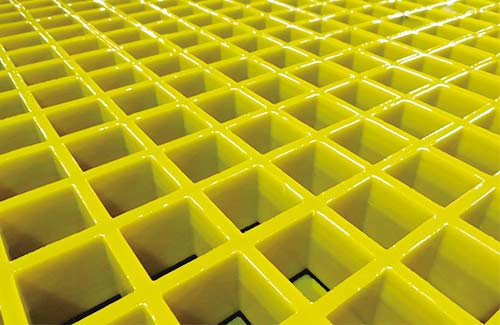
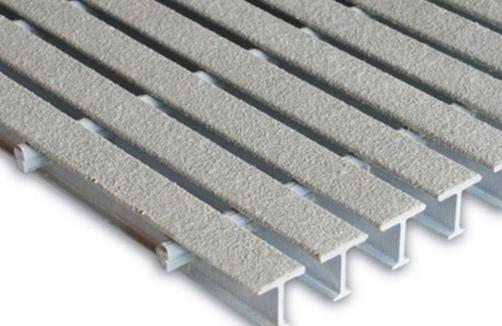
화학 처리 공장의 FRP 격자: 산업 환경의 안전 및 효율성 향상
FRP Grating in Chemical Processing Plants: Enhancing Safety and Efficiency in Industrial Environments Chemical processing plants are critical to modern manufacturing, but they also pose significant challenges in terms of safety and efficiency. One of the key challenges is the need for durable, corrosion-resistant flooring solutions that can withstand harsh chemical environments. Fiberglass Reinforced Polymer (FRP) grating has emerged as a superior alternative to traditional materials like steel, concrete, and wood. But what makes FRP grating the ideal choice for these facilities? What are the potential benefits and challenges? And how can chemical processing plants maximize the efficiency and safety of their operations with this innovative material? The Challenges of Traditional Flooring Solutions Traditional materials used in chemical processing plants, such as steel and concrete, have inherent limitations. Steel is prone to rust and corrosion when exposed to chemicals, while concrete can crack and deteriorate over time. These issues not only compromise safety but also require frequent maintenance and replacement, leading to increased operational costs. Wood, another common material, is susceptible to rot and chemical damage, making it unsuitable for long-term use in such environments. Given these challenges, chemical processing plants need a flooring solution that combines durability, chemical resistance,