Sino Composite Structures Co.,Ltd.

+86-510-86890852

WhatsApp: 8618921275456

Sino Composite Structures Co.,Ltd.

+86-510-86890852

WhatsApp: 8618921275456

News

Home » News » Page 2

FRP grating for rooftop solar walkway pads: The Ultimate Safety and Durability Solution

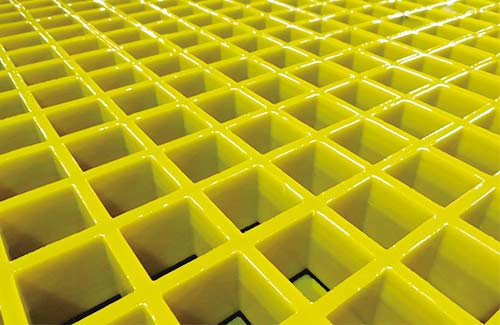
FRP Grating for Rooftop Solar Walkway Pads: The Ultimate Safety and Durability Solution As solar energy installations continue to grow on commercial and industrial rooftops, ensuring safe access for maintenance personnel becomes increasingly crucial. But what materials provide the optimal balance of safety, durability, and functionality for rooftop solar walkway pads? Why Choose FRP Grating for Solar Rooftop Applications? When considering materials for rooftop solar walkway pads, FRP (Fiber Reinforced Plastic) grating stands out as the superior choice. Unlike traditional metal materials, FRP grating offers exceptional corrosion resistance, eliminating concerns about rust degradation in harsh weather conditions. Its lightweight nature—approximately 75% lighter than steel—significantly reduces structural load on rooftops while maintaining impressive load-bearing capacity. How Does FRP Grating Enhance Rooftop Safety? Safety concerns are paramount when working at heights. FRP grating addresses these issues with its superior non-slip surface, even when wet or exposed to oil. The material’s high traction properties prevent accidents, while its customizable color options (often yellow or black) create clear visual pathways that guide technicians safely around solar panels. Furthermore, FRP grating is electrically non-conductive, eliminating electrical shock hazards near solar equipment. What Makes FRP Grating Exceptionally Durable? Durability is a critical factor for any rooftop

Read More »

FRP Grating with Integral Kick Plate 4 Inch: Ultimate Guide

FRP Grating with Integral Kick Plate 4 Inch: Ultimate Guide What exactly is FRP grating with integral kick plate and why is it becoming increasingly popular in industrial settings? This innovative flooring solution combines the strength of fiberglass reinforced plastic with a built-in 4-inch kick plate, creating a seamless transition that enhances both safety and durability. The integral kick plate extends vertically from the grating surface, preventing small tools and debris from falling through while providing a finished edge that requires no additional installation. What makes the 4-inch kick plate particularly valuable? This standardized height offers optimal protection while maintaining aesthetic appeal. The kick plate acts as an effective barrier, eliminating gaps between the grating and adjacent surfaces. This feature is especially crucial in elevated platforms, walkways, and mezzanines where safety is paramount. The integrated design also reduces installation time and costs, as there’s no need for separate kick plate attachment. How does FRP grating with integral kick plate compare to traditional materials? Unlike steel or aluminum, FRP grating offers exceptional corrosion resistance, making it ideal for harsh chemical environments, offshore platforms, and wastewater treatment facilities. Its non-slip surface provides superior traction even when wet, reducing the risk of slips

Read More »

Polyester vs vinyl ester FRP grating cost difference: Which offers better value for your project?

Polyester vs Vinyl Ester FRP Grating Cost Difference: Which Offers Better Value for Your Project? When selecting materials for your industrial project, the choice between polyester and vinyl ester FRP grating can significantly impact both initial investment and long-term performance. But how do you determine which option delivers better value for your specific needs? What Is the Initial Cost Difference? The most apparent distinction between these materials lies in their upfront costs. Polyester FRP grating typically offers a more budget-friendly initial investment, with prices ranging 20-30% lower than vinyl ester alternatives. This cost advantage makes polyester an attractive option for projects with limited budgets or where extreme chemical exposure isn’t anticipated. However, focusing solely on initial purchase price may lead to unexpected expenses down the line. How Do Chemical Resistance Properties Affect Long-Term Value? Vinyl ester FRP grating excels in harsh chemical environments, offering superior resistance to a broader spectrum of corrosive substances. When your project involves exposure to acids, solvents, or high-temperature chemicals, vinyl ester’s enhanced protection can prevent premature degradation and costly replacements. For facilities in chemical processing plants, wastewater treatment facilities, or marine environments, this resistance translates directly into extended service life and reduced maintenance requirements. What

Read More »

FRP Handrail for Roof Solar Project

An FRP (Fiberglass Reinforced Plastic) handrail for a roof solar project is a lightweight, corrosion-resistant safety barrier designed to provide fall protection and safe access for maintenance personnel working near rooftop solar installations. Here’s a detailed description suitable for specifications, submittals, or reports: FRP Handrail for Roof Solar Project General Overview:The FRP handrail system is a non-conductive, UV-resistant, and corrosion-proof safety barrier installed along the roof perimeter or designated access walkways around solar PV arrays. It ensures worker safety while maintaining compliance with OSHA and local fall protection regulations. Material & Construction:Material: Pultruded Fiberglass Reinforced Plastic (FRP) composite with a thermoset resin matrix (typically isophthalic polyester or vinyl ester for enhanced chemical and UV resistance).Color: Safety yellow (standard), or as specified.Finish: UV-stabilized surface with anti-slip texture on top rail and toe board (if included).Conductivity: Non-conductive, ideal for electrical environments such as solar installations.Corrosion Resistance: Resistant to salt, moisture, and most chemicals—suitable for outdoor and coastal applications. Performance & Compliance:Design Load: Minimum 200 lb (0.89 kN) concentrated load applied at top rail in any direction per OSHA 1910.29 and EN ISO 14122-3 standards.Temperature Range: -40°C to +80°C (-40°F to +176°F).Maintenance: Zero maintenance; does not require painting or coating. Our FRP Handrail

Read More »

News

Hot Product

滚动至顶部