FRP Grating: The Ideal Material for Pharmaceutical Factory Clean Rooms
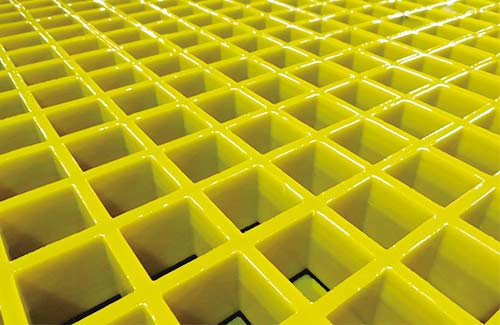
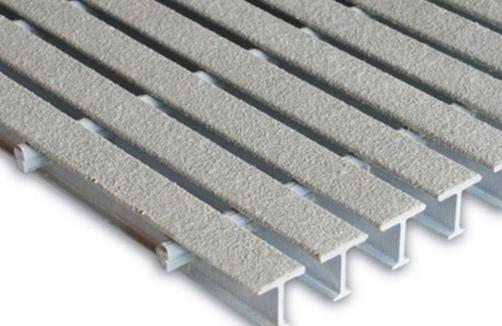
In the highly regulated and precision – driven environment of pharmaceutical factory clean rooms, every aspect of the infrastructure must meet strict standards to ensure the quality, safety, and efficacy of the drugs produced. From preventing contamination to maintaining a controlled micro – environment, the choice of materials plays a crucial role. Fiberglass Reinforced Plastic (FRP) grating has emerged as an ideal option for clean room applications, offering a combination of properties that address the unique challenges and requirements of pharmaceutical manufacturing.One of the primary concerns in pharmaceutical clean rooms is maintaining a high level of cleanliness and preventing contamination. FRP grating has a smooth, non – porous surface that resists the accumulation of dust, dirt, and other particulate matter. Unlike traditional materials such as concrete or wood, which can have tiny crevices and pores where contaminants can hide, the seamless surface of FRP grating can be easily cleaned and sanitized. This characteristic helps to minimize the risk of particle generation and release into the clean room environment, ensuring that the air quality and product purity are not compromised. Regular cleaning with standard disinfectants is sufficient to keep the FRP grating free from microbial growth and other contaminants, which is